
STORY
Yoshiwara, a town where the cultures of Edo crossed and the arts still live on.
01|The History of Yoshiwara
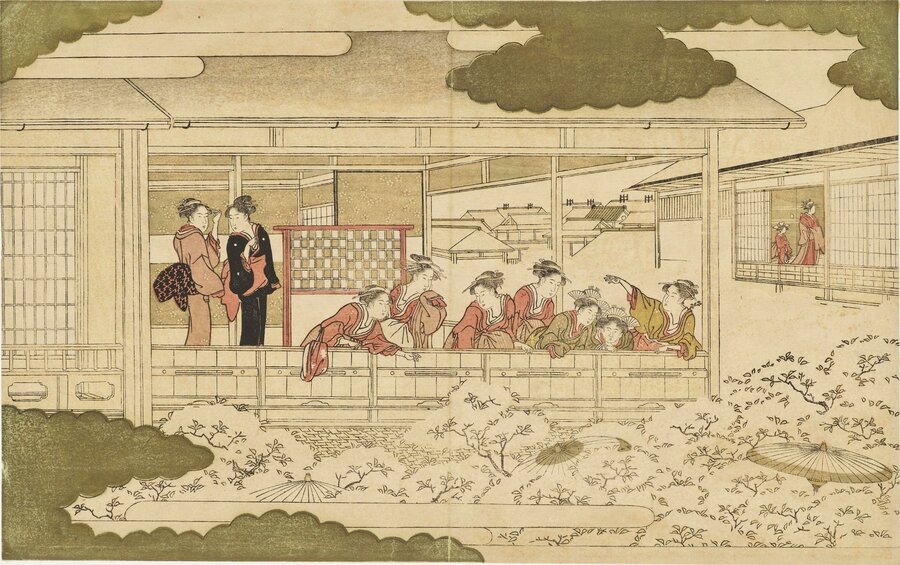
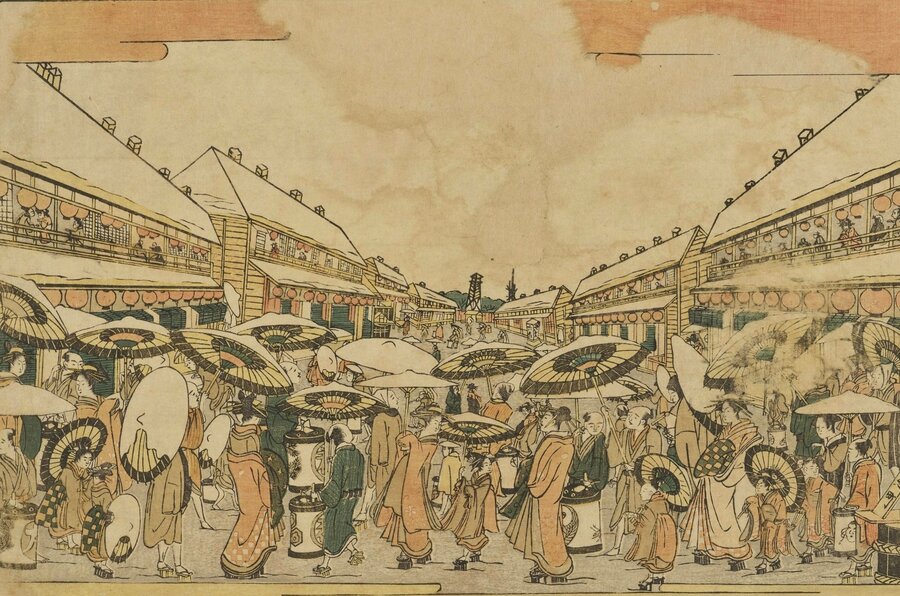
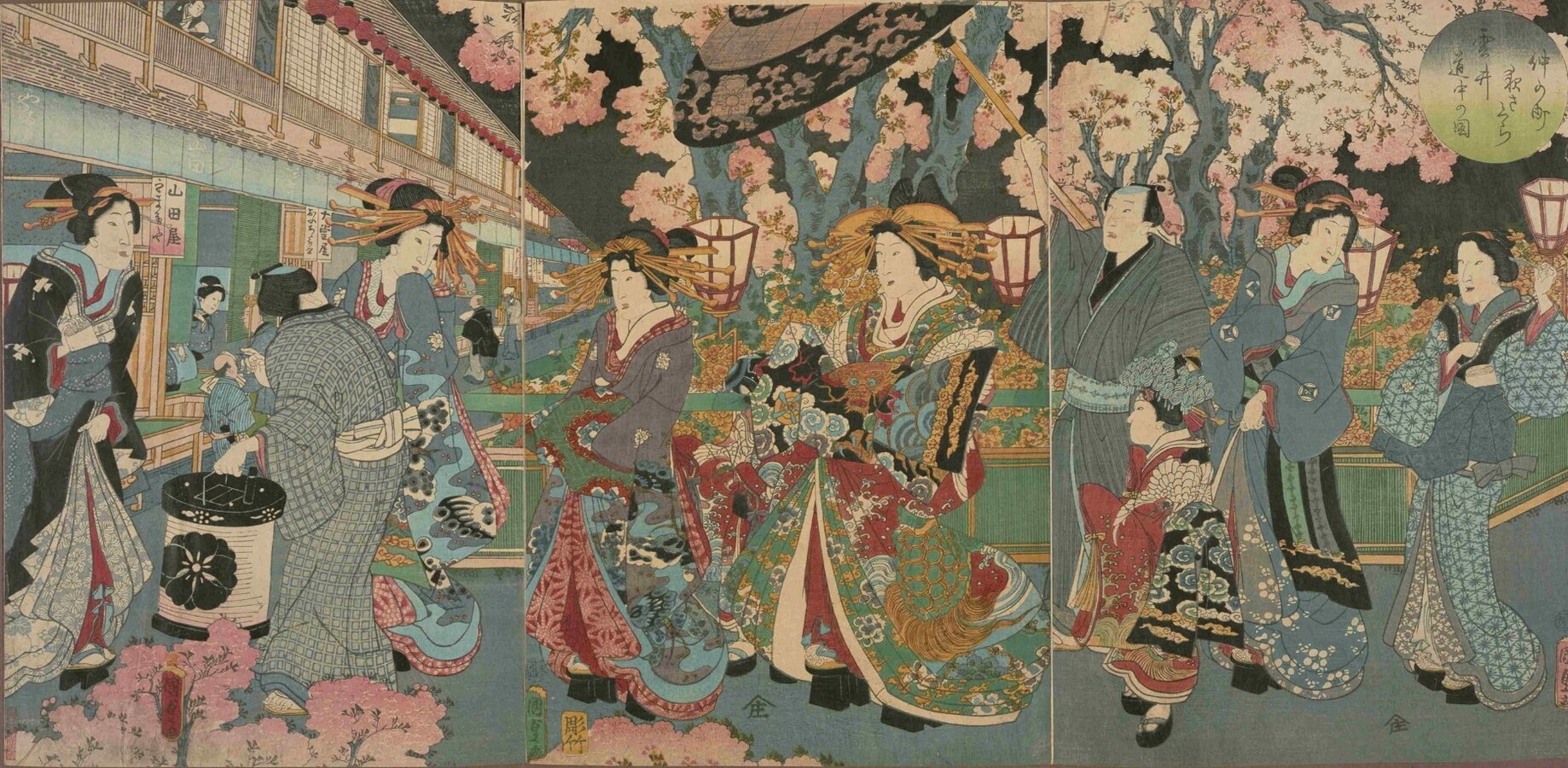
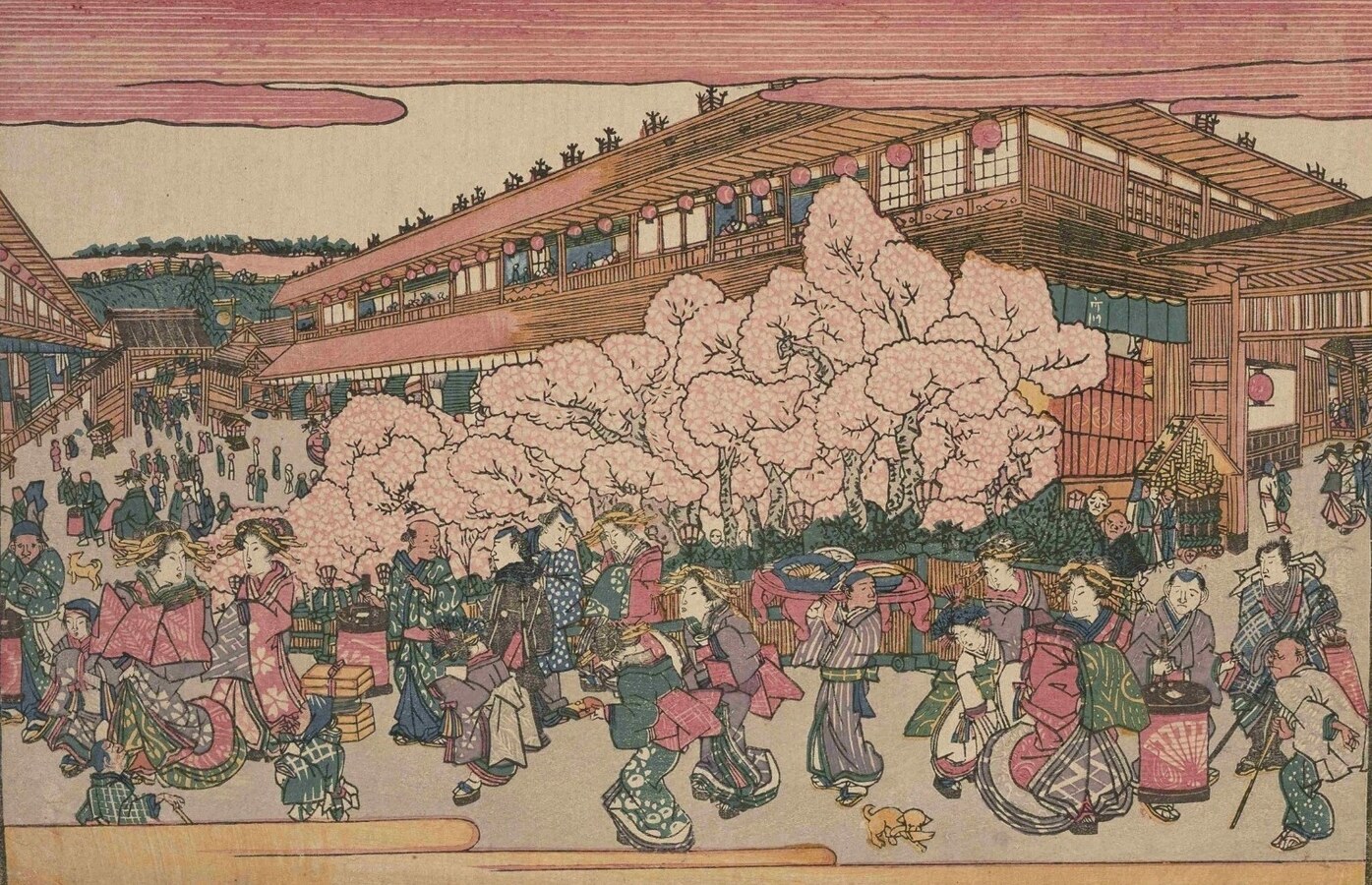
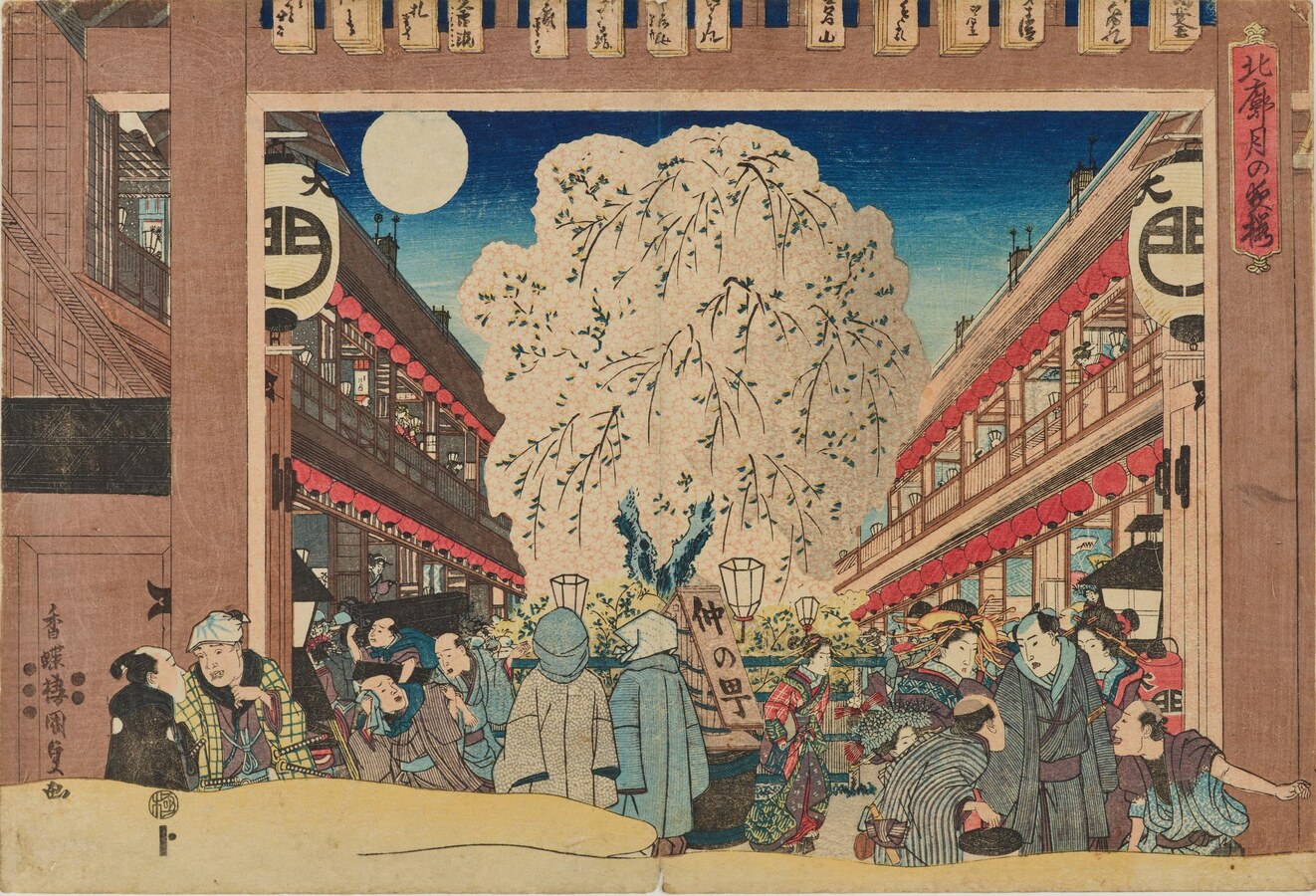
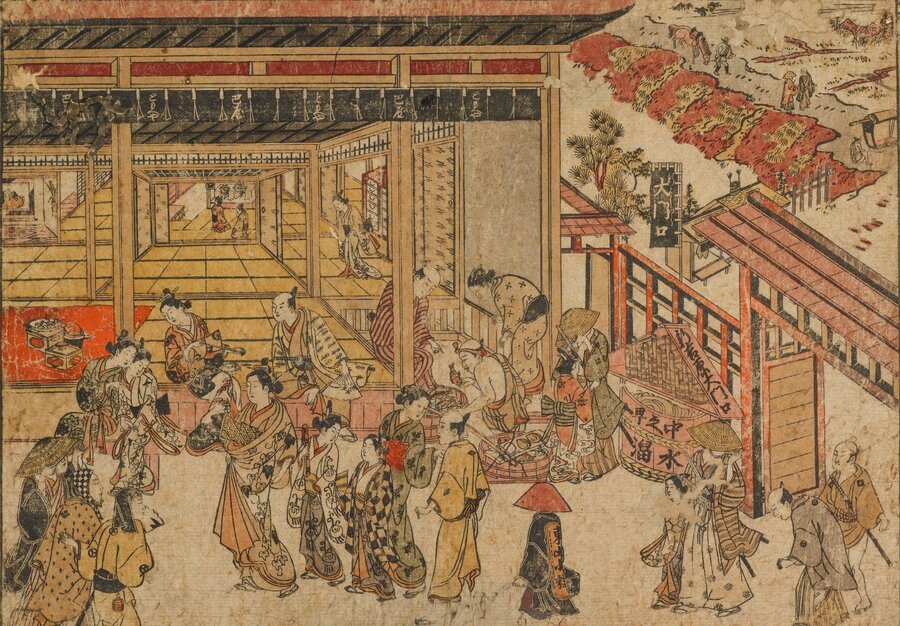
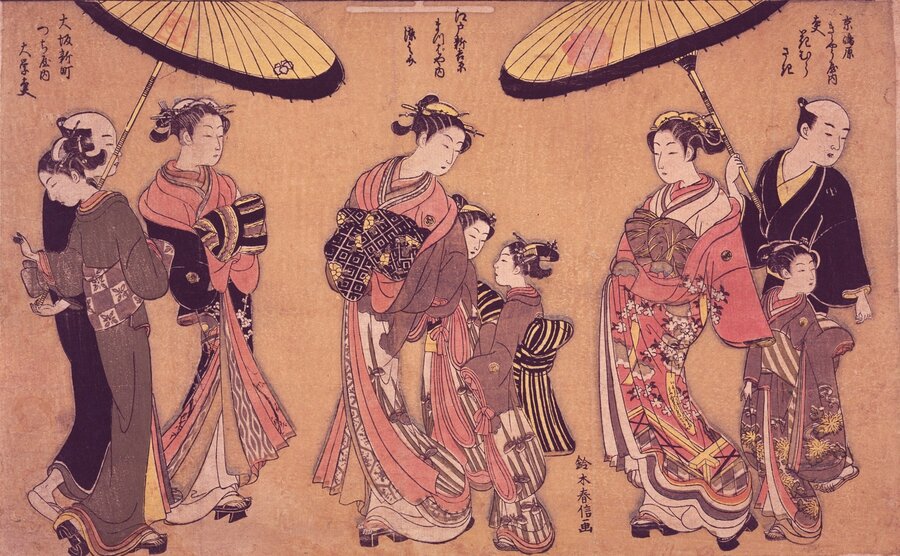
Yoshiwara was the only pleasure quarter officially licensed by the shogunate. After the Great Meireki Fire of 1657 it moved beside Nihon-zutsumi in Asakusa as "Shin-Yoshiwara." People of power and learning gathered here, and poetry, calligraphy, tea and incense flourished. It was also where Edo's latest news arrived first.
02|Roots of the Hanayanagi (Geisha) Culture
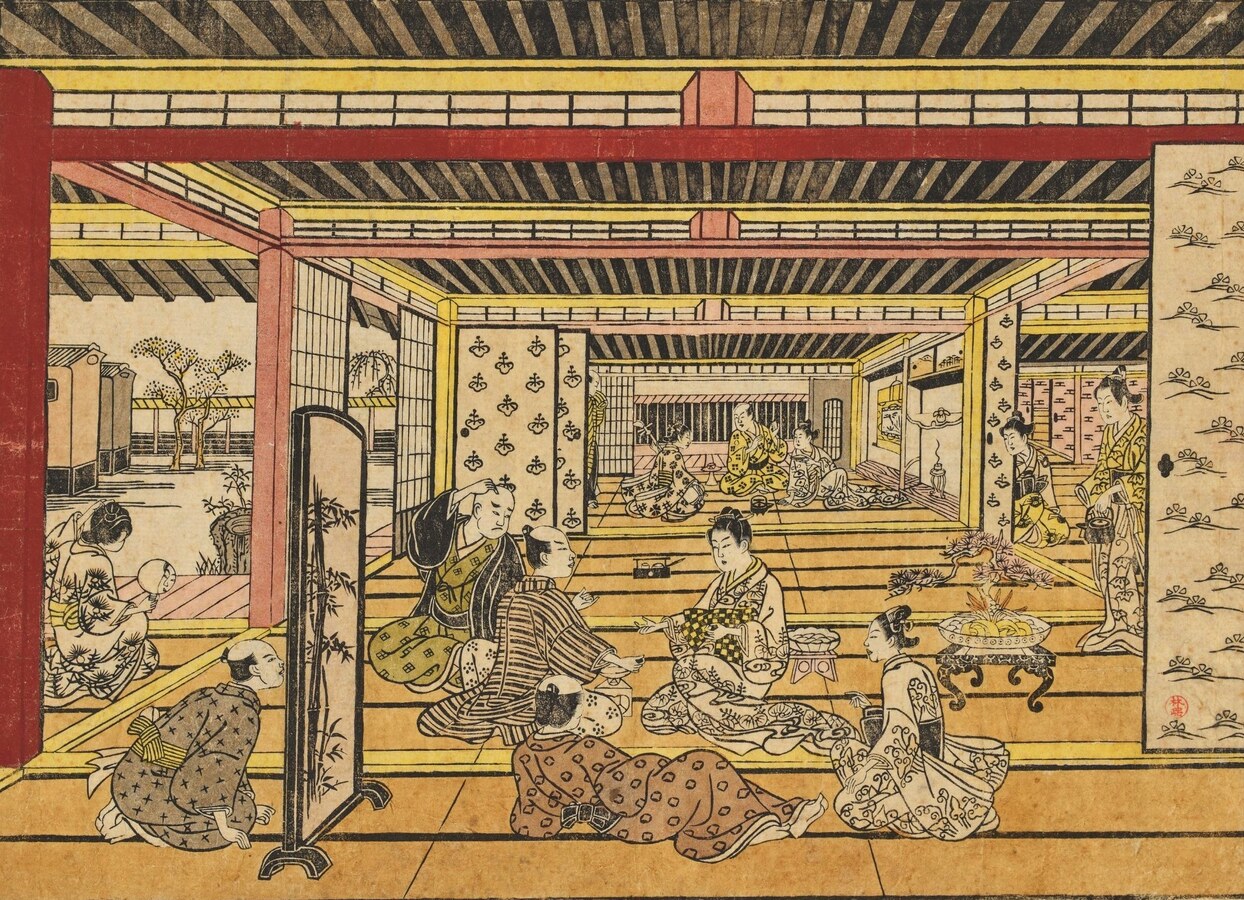
Yoshiwara gave rise to geisha and hokan (male geisha), who lived solely by their artistry rather than by courtesanship. "Sawagi," a dance performed here, spread to other geisha districts and is still danced today. Yoshiwara is the root of Edo's hanayanagi culture.
03|Performing Arts Passed Down Only in Yoshiwara
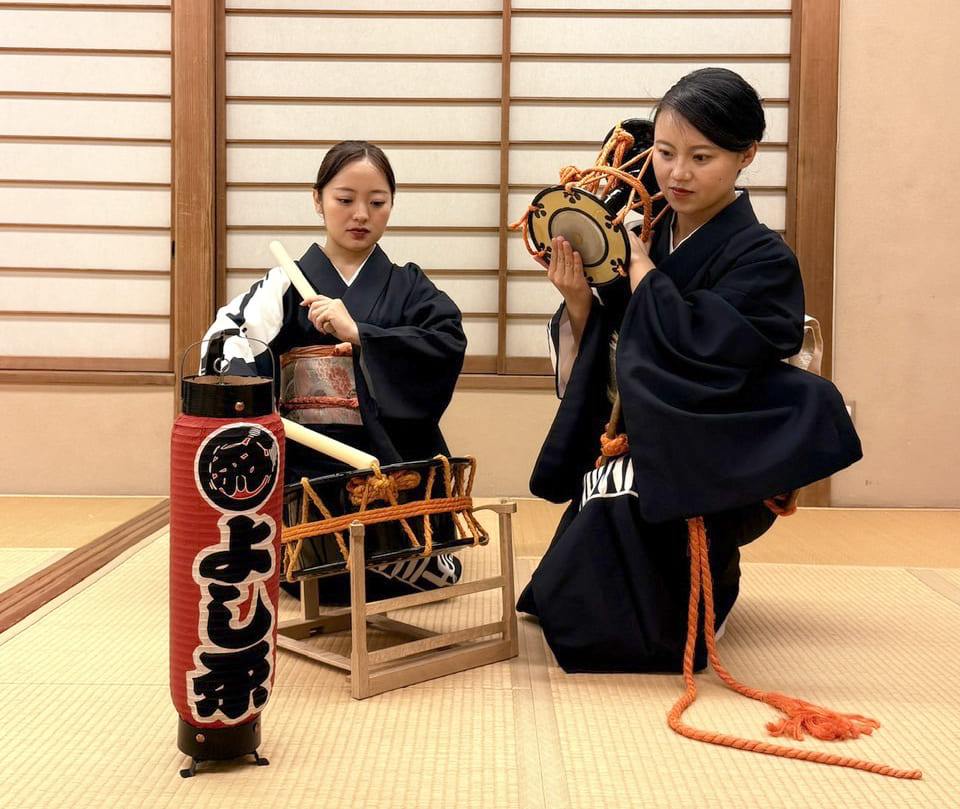
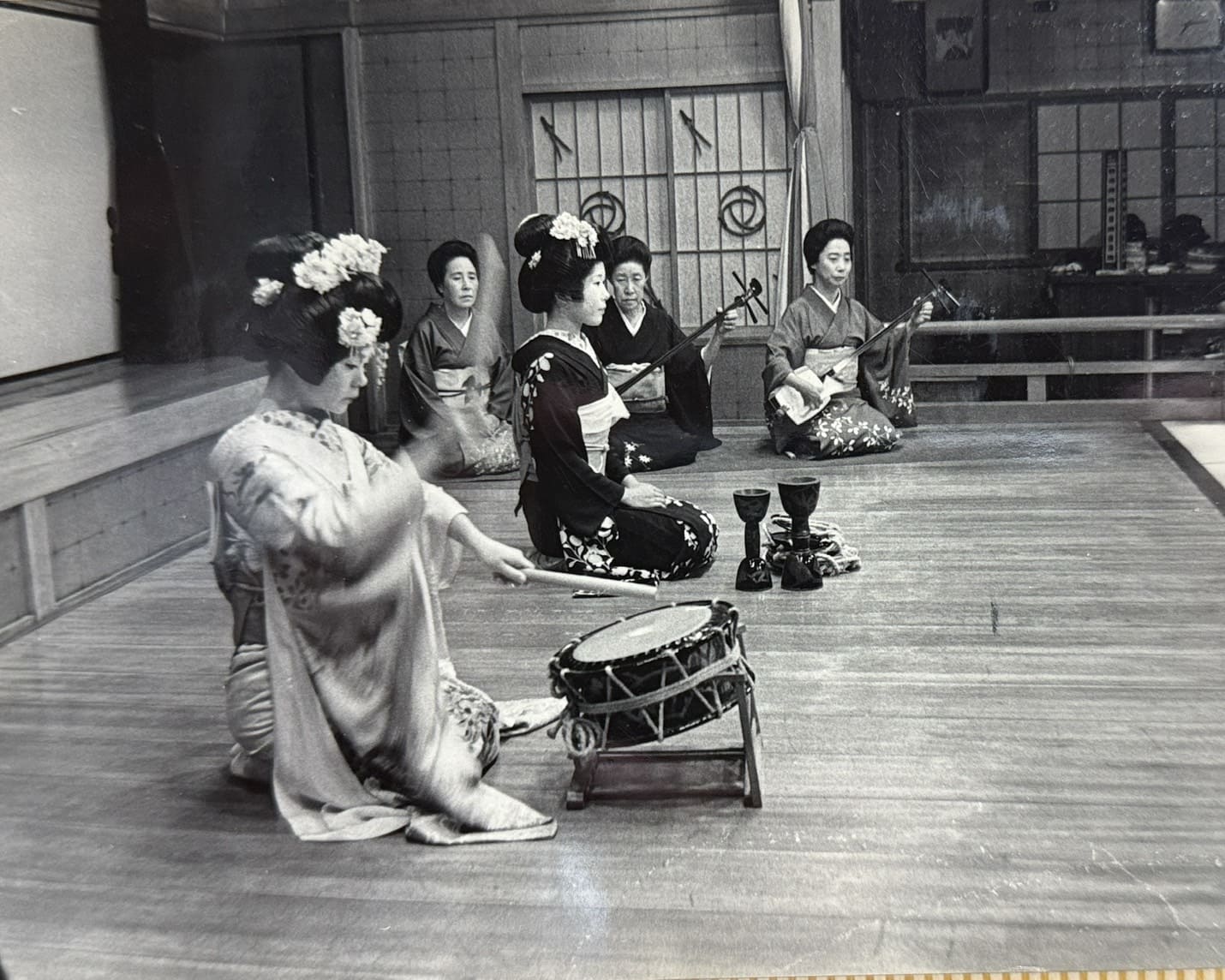
Nichō-tsuzumi, passed down only among geisha; Kiyari, an Intangible Folk Cultural Property of Tokyo; and Yoshiwara-bayashi, which has been performed abroad. These arts survive only in this place, among these bearers, and they live on today.
04|Yoshiwara Today
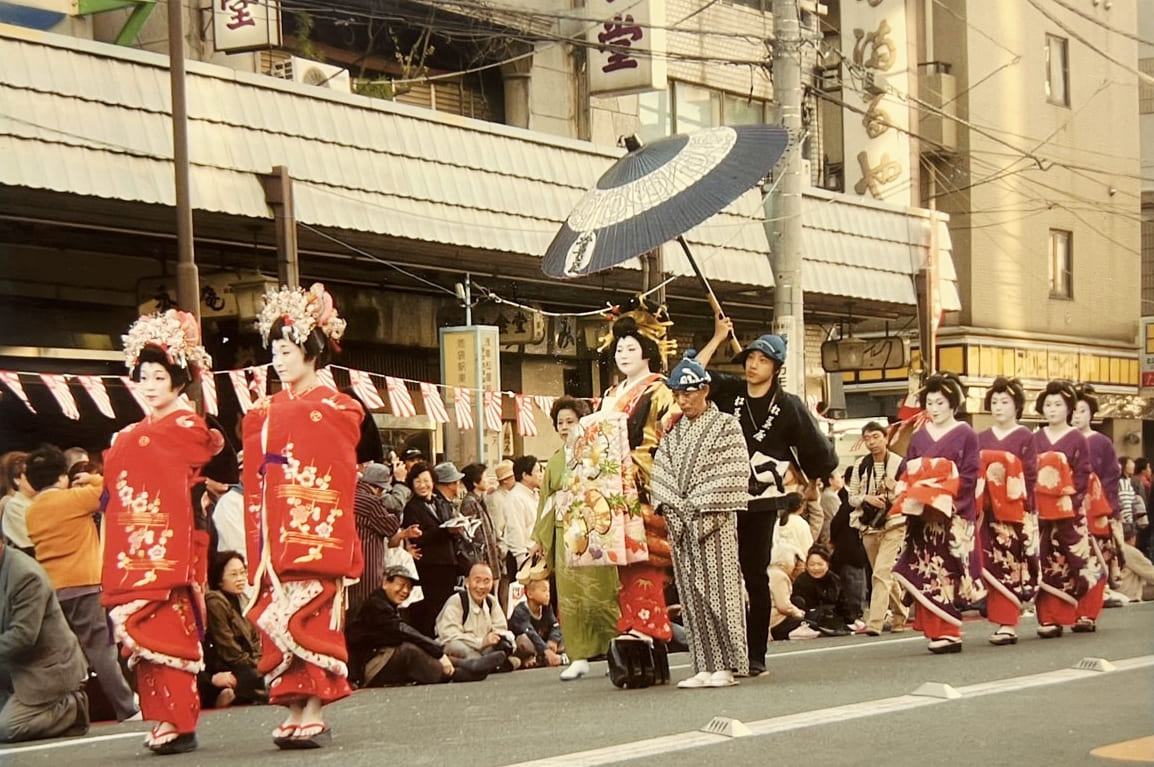
The licensed quarter has closed, but related buildings and sites, such as Sakuranabe Nakae, still stand. Bearers of the hanayanagi tradition are welcoming young apprentices, and the work of passing it on continues.