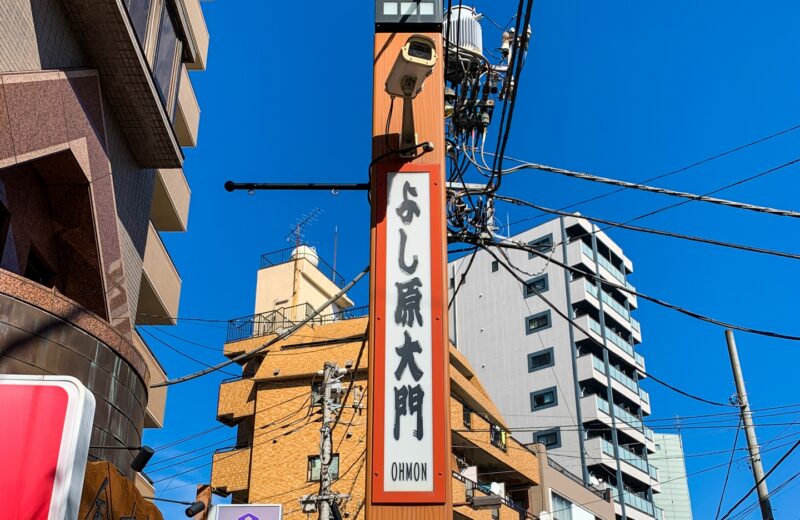
A town that has carried light and shadow together
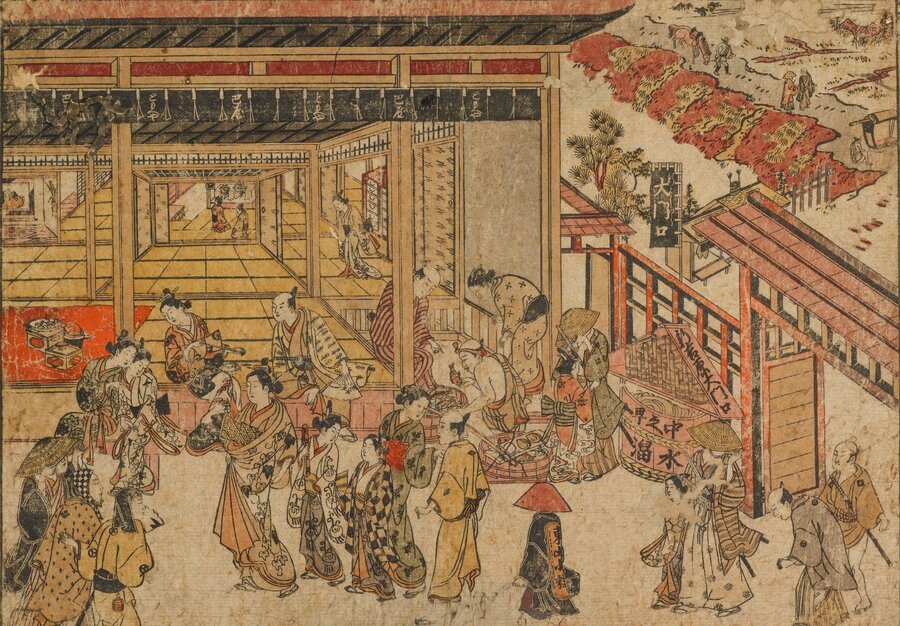
Alongside its splendid culture, Yoshiwara’s history has aspects that must not be forgotten. The licensed quarter was also a place where women’s freedom was greatly restricted. There were people who left their families and hometowns, could not choose how to live by their own will alone, and lived in harsh conditions.
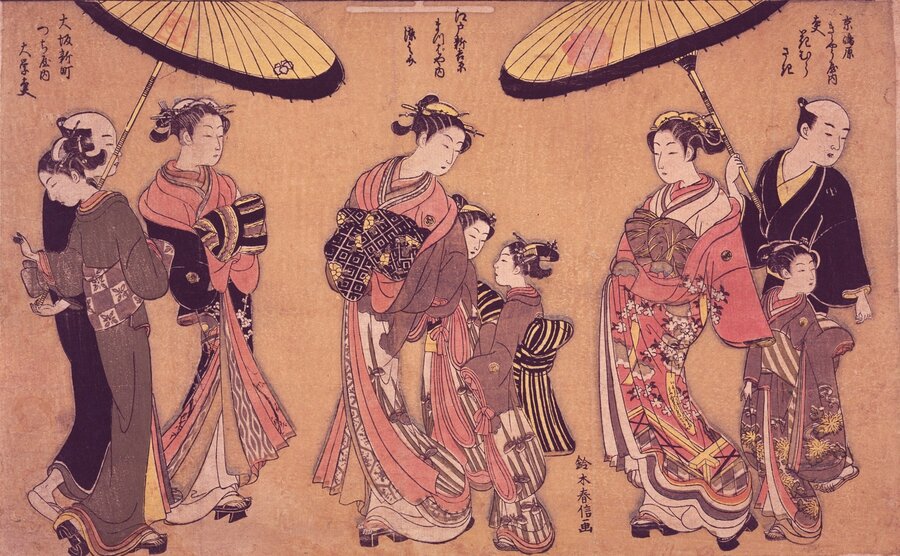
While high-ranking courtesans drew attention through splendid dress and the arts, the days of many women were by no means splendid. The culture nurtured in Yoshiwara cannot be considered apart from this social system.
Yoshiwara continued as a licensed quarter after the Meiji era, and changed its character with the times. In 1958, the full enforcement of the Anti-Prostitution Law closed the history of the officially licensed quarter. The town continued to change after that, and the former hanayanagi world gradually disappeared. Yoshiwara has both a culture worth valuing and a history that must continue to be faced. Rather than taking up only one or the other, knowing this overlapping history leads to understanding the town.
Yoshiwara as a town where people live
Today’s Yoshiwara keeps traces of the former licensed quarter, yet it is a town where people go about their daily lives. There are historic temples and shrines and local businesses, there are homes, and there are people who live in the area. At the same time, Yoshiwara still has an aspect as a nightlife district, and it is also a fact that people take its history and present state in many different ways.
How to see Yoshiwara, and what kind of town to make it: there is more than one answer. Even so, learning about the culture handed down in this land and reconsidering its value may become one occasion for thinking about Yoshiwara’s future.
From the culture of the past to the heritage of the community’s future
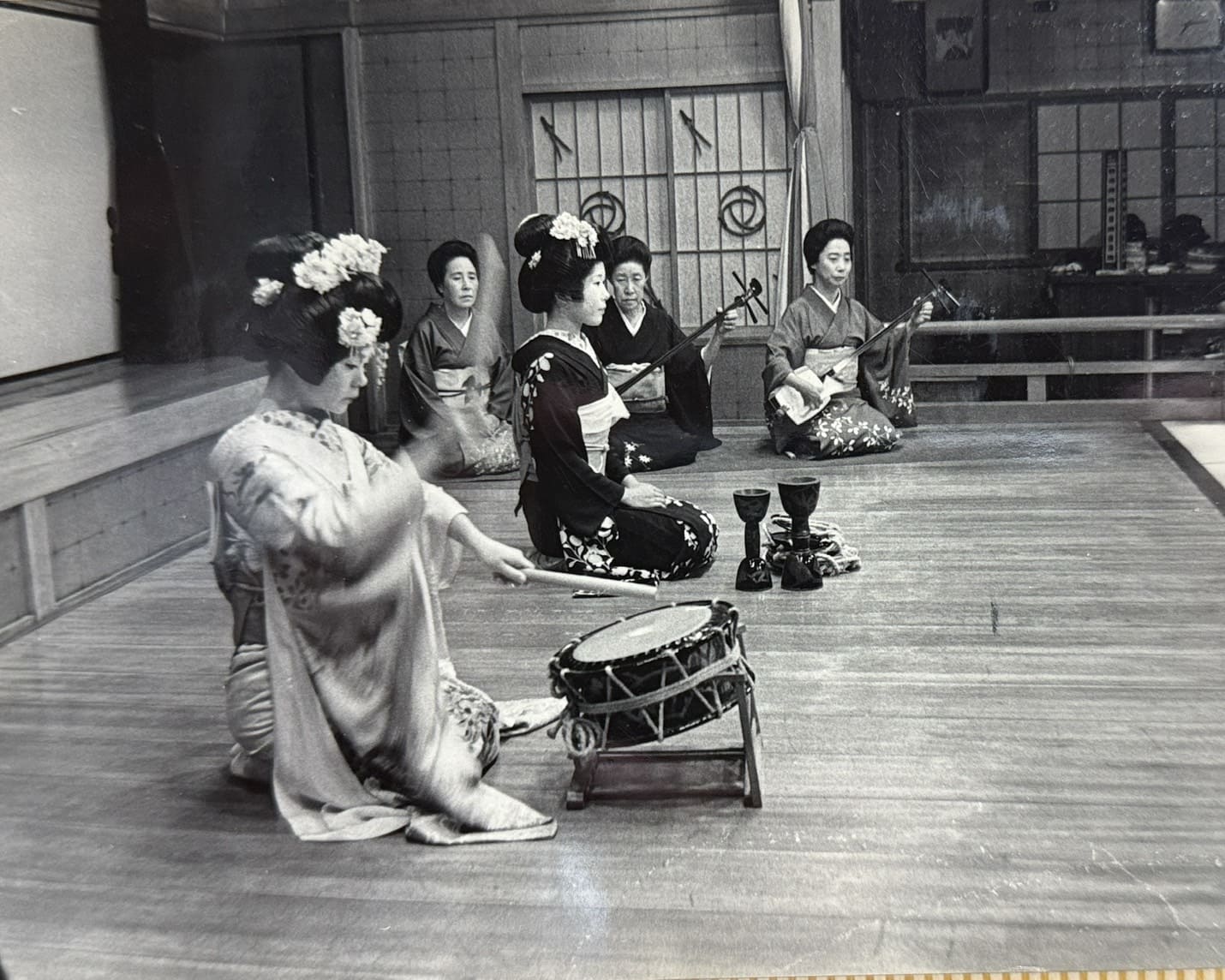
Now, in Yoshiwara, efforts continue to pass the arts of the past to the next generation: from bearers to young successors, from those who know the arts to those encountering them for the first time. As the arts are handed down, new encounters are born, even for people who never had the chance to come into contact with Yoshiwara’s culture.
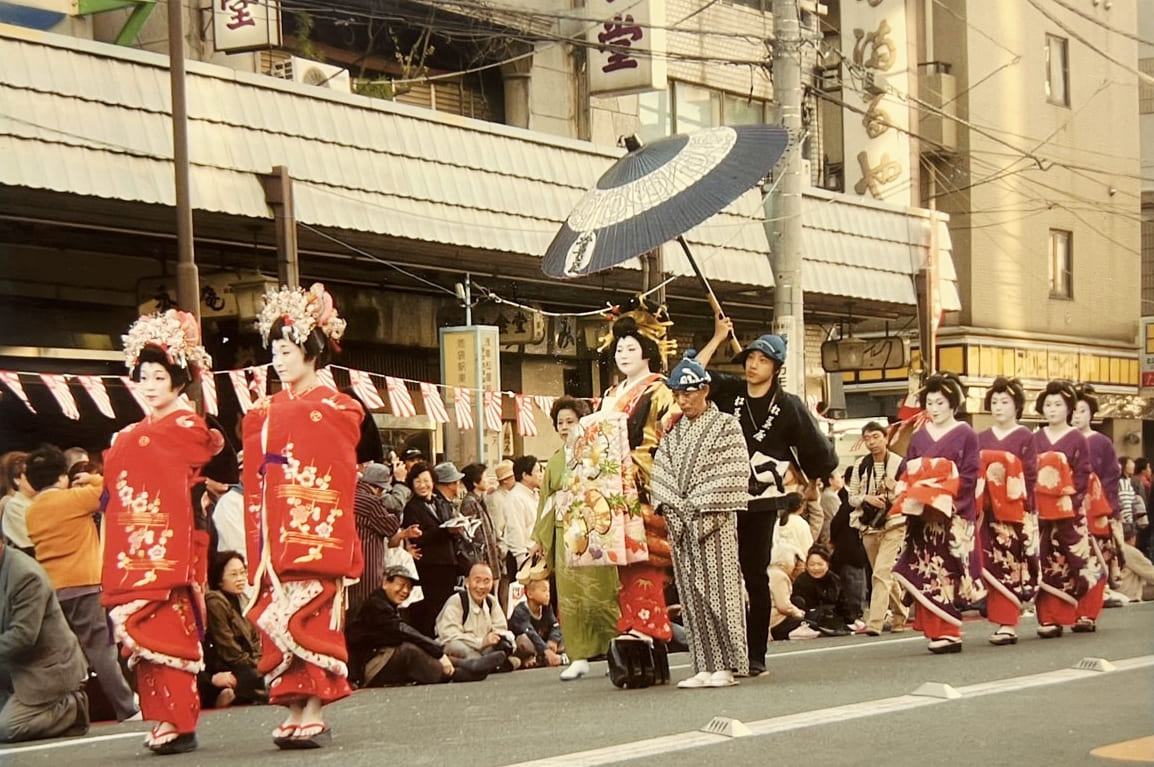
Local children learning about Yoshiwara’s arts. The arts that have been handed down being performed at local festivals and events. The people who live in the town feeling that culture as the heritage of their own community. Each of these accumulating steps may lead to a new future for Yoshiwara.
What it means to visit Yoshiwara
Visiting Yoshiwara is not only a search for traces of the former licensed quarter. It means walking the town, learning its history, and listening to the words of the people who have kept the arts alive. And at times, it means touching a part of the arts yourself, and feeling how difficult, deep, and enjoyable they are. There you meet a culture in a way that learning history only as knowledge cannot give you.
Art is something handed down from person to person. As long as that effort continues, Yoshiwara’s culture will not be a thing of the past but a culture that lives in the present. Learn the history, meet the people who pass on the arts, and touch the culture of Yoshiwara. The story of Yoshiwara is still going on.
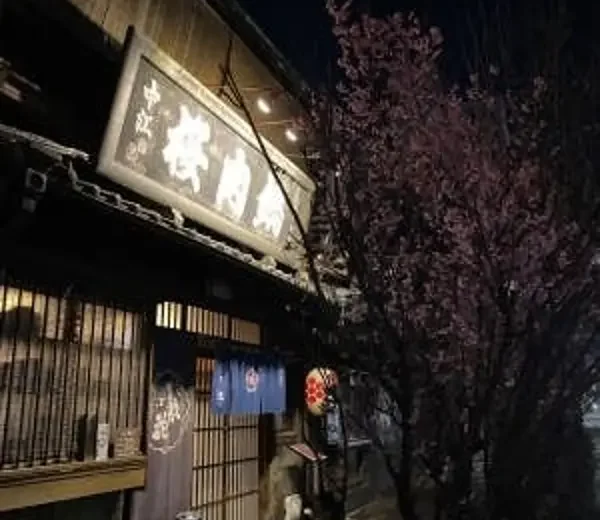 Horse-meat cuisine / Japanese Sakuranabe Nakae – Main Restaurant (since 1905)
Tokyo's local cuisine born in Yoshiwara—120 years of sakura-nabe taste and tradition
Address1-9-2 Nihonzutsumi, Taito City, Tokyo
TEL03-3872-5398
HoursWeekdays 17:00–22:00 / Sat., Sun., holidays 11:30–14:00, 16:00–21:00
ClosedMondays (next Tuesday if Monday is a holiday)
See details →
Hotel Hotel Za Mikasa
Renewed as "Hotel Za Mikasa," with the new "Za Mikasa" banquet space
Address4-23-4 Senzoku, Taito City, Tokyo
TEL03-3872-3524
HoursCheck-in 13:00 / Check-out 10:30
See details →